
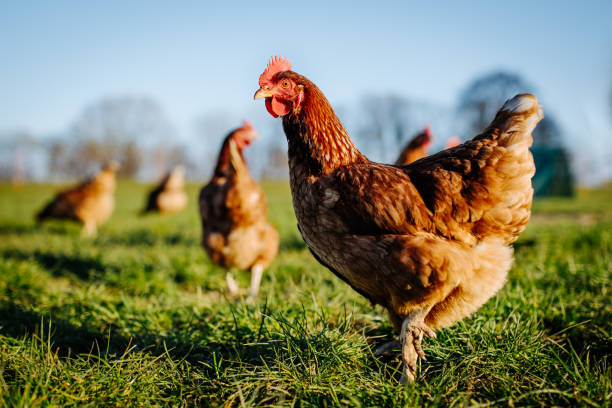
With bird flu taking over internet forums and news articles being released every day, it can be difficult to find trustworthy and reliable sources. Medical misinformation regarding bird flu has been spreading rapidly online, panicking the general public. This Comprehensive Guide will cover bird flu using information from top medical sites and journals, allowing you to thoroughly understand what exactly bird flu is, the symptoms and progression, what to do if you’ve been exposed, common misconceptions, the importance of public safety, and how to keep yourself both knowledgeable and safe in a high-school setting.
What is Bird Flu?
Bird flu, also referred to as H5N1, avian influenza, and avian flu, is a type of viral infection from an influenza (flu) virus that primarily affects birds, but can also infect other animals, most notably cows and humans. It primarily spreads through contact with sick birds, and — though extremely rare — can be passed from person to person. Humans can be infected in a variety of ways, but the most common is poorly handling infected birds. Infection happens when droplets and dust particles are inhaled, or when surfaces contaminated with infected material like mucus, saliva, feces, raw milk, bedding, and litter, make contact with the eyes, nose, or mouth.
What Are Bird Flu Symptoms and Complications?
Symptoms:
The reported bird flu symptoms in humans have varied and can range from none to severe. In the United States, most reported cases have been mild.
According to the CDC and Cleveland Clinic, symptoms of bird flu include:
- Headaches
- Feeling feverish or mild fever (temperature of 100 degrees or greater)
- Eye redness and irritation (conjunctivitis)
- Sore throat
- Runny or stuffy nose
- Cough
- Fatigue
- Muscle or body aches
Less common symptoms include:
- Nausea
- Vomiting
- Diarrhea
Eye redness and mild respiratory symptoms are the most predominant among recent U.S. cases. In severe cases, symptoms either worsen or new symptoms develop. Seek medical attention immediately if the symptoms listed below develop.
- High fever
- Shortness of breath (dyspnea)
- Difficulty breathing
- Altered consciousness
- Seizure
Complications:
In severe cases, complications can occur. These include:
- Pneumonia
- Respiratory failure
- Acute respiratory distress syndrome
- Acute kidney injury
- Multi-organ failure (respiratory and kidney failure)
- Sepsis – septic shock
- Inflammation in the brain (meningoencephalitis)
- Death
How is Bird Flu Diagnosed?
Bird flu can only be officially diagnosed through laboratory testing. Diagnosis is not possible by clinical signs and symptoms alone. If you are concerned you have bird flu, inform your healthcare provider and let them know if you’ve been in contact with animals you believe are infected.
Bird flu is often tested by collecting a swab from the upper respiratory tract (nose or throat). Testing is most effective during the first few days of illness. For severely ill patients, lower respiratory tract specimens (bronchi or lungs) must be collected and tested for a proper diagnosis. However, it may be difficult to detect bird flu in patients who no longer show physical symptoms or have fully recovered.
What is the Infection Timing and Treatment?
According to the CDC, the time that a person is exposed, infected, and develops respiratory symptoms is around three days, but can range between two to seven. Eye redness can develop one to two days after exposure and infection.
The contagious period is not yet understood. A person with mild illness is thought to progress similar to the seasonal flu and is most contagious during the first few days of infection. People hospitalized with severe illness may be contagious for much longer, around several weeks.
Bird flu usually lasts between a few days to less than two weeks. However, people who are severely ill and require hospitalization may be sick for several weeks.
Bird flu can be treated with antiviral medications if the infection is caught early. There is no specific cure or vaccine available. Recent studies have shown that supportive care such as oxygen therapy and intravenous fluids can improve recovery.
Who is at Risk?
People who work directly with dairy cows, poultry, waterfowl, and shorebirds such as ducks, swans, geese, chickens, turkeys, and storks are at the highest risk of bird flu.
How Can I Prevent Bird Flu?
According to the Cleveland Clinic, you can prevent exposure and infection in a variety of ways:
- Wear protective clothing
When working with animals, wear protective clothing like gloves, goggles and masks to prevent accidentally inhaling droplets and dust particles and touching contaminated surfaces.
- Wash your hands
When handling animals, prioritize effective handwashing, especially in farms with water features and factories.
- Do not work with animals exposed to bird flu
In case of an outbreak, follow public health guidelines to limit the spread of bird flu. Avoid places where bird flu is prevalent.
- Remove your shoes before entering your home
Taking off your shoes before entering your home reduces the risk of spreading contaminated material (dirt, dust, etc.) around your house.
- Do not consume unpasteurized milk
Unpasteurized milk is not heat-treated before packaging. Pathogens and bacteria, including bird flu, are not killed during the pasteurization process.
What Do I Do If I Was Exposed to an Infected Bird?
If you were exposed to or made close contact with an infected animal or contaminated surface, contact your state and local health department immediately. They will monitor your health and symptom development.
Monitor your symptoms and track development each day — hour if possible. If you were exposed and infected with bird flu while responding to an outbreak, your state and local health department should contact you. If not, follow the directions above and continue to monitor and track your symptoms.
Common Misconceptions About Bird Flu:
- Bird flu is extremely contagious among humans
This claim is false. While bird flu can be transmitted between humans, it is extremely rare. According to the CDC, since April 2024, there have been 70 confirmed cases in the U.S. and the current public health risk is low. The majority of reported bird flu cases were caused by close contact with infected animals or contaminated surfaces.
- You can get infected by drinking milk
While this claim is true, it is extremely misleading. Drinking raw, unpasteurized milk can cause infection because it does not undergo pasteurization, the heating process that kills pathogens, viruses, and bacteria,. Drinking or inhaling infected raw milk may cause illness, and should be avoided.
- Eating eggs and poultry will infect you with bird flu
This claim is false. You cannot get infected by eating eggs or poultry unless the eggs and poultry were improperly handled during preparation for consumption. For example, placing cooked chicken on a cutting board contaminated with raw juices. Properly handling and cooking eggs according to food safety guidelines is necessary to protect yourself and others from viruses and bacteria.
How Do I Handle Food Safely?
Due to the media vilifying eggs and poultry, many are no longer confident in their ability to properly handle them. Fortunately, the USDA has provided information covering the necessary steps to handle food safely.
“Cooking poultry, eggs, and other poultry products to the proper temperature and preventing cross-contamination between raw and cooked food is the key to safety. You should:
- Wash hands with warm water and soap for at least 20 seconds before and after handling raw poultry and eggs;
- Prevent cross-contamination by keeping raw poultry and eggs away from other foods;
- After cutting raw meat, wash [the] cutting board, knife, and countertops with hot, soapy water;
- Sanitize cutting boards by using a solution of 1 tablespoon of chlorine bleach in 1 gallon of water;
- Use a food thermometer to ensure poultry has reached the safe internal temperature of at least 165 °F to kill food-borne germs that might be present, including the avian influenza viruses.”
These guidelines should be followed at all times when handling food.
The Importance of Public Health Safety
Public health safety is important when addressing a public health scare. Public health safety protects the well-being of a community by preventing the spread of illness, promoting healthy habits like good hygiene, and ensuring people are aware of the symptoms and risks. Every effort to address public health issues and improve sanitation, ensures the general public is knowledgeable and aware. In times of crises, such as emergencies and pandemics, effective public health safety minimizes the impact on those vulnerable to infection and illness.
How Do I Stay Safe in School?
Being at school can be daunting, especially since it’s a high-traffic area, but there are ways to keep yourself and others safe. Stay informed and practice good hygiene like washing your hands and using alcohol-based hand sanitizers. Though the risk of infection is low, it is not zero, so remain cautious when handling food and objects. You can actively keep high school a safer place.






Sydney • Apr 29, 2025 at 11:39 AM
Thank you, Kaitlyn, for shedding light on the complexities of bird flu and the importance of accurate information.
Athena • Apr 25, 2025 at 9:07 AM
Hello! I liked this article because it helps people learn more about the bird flu.