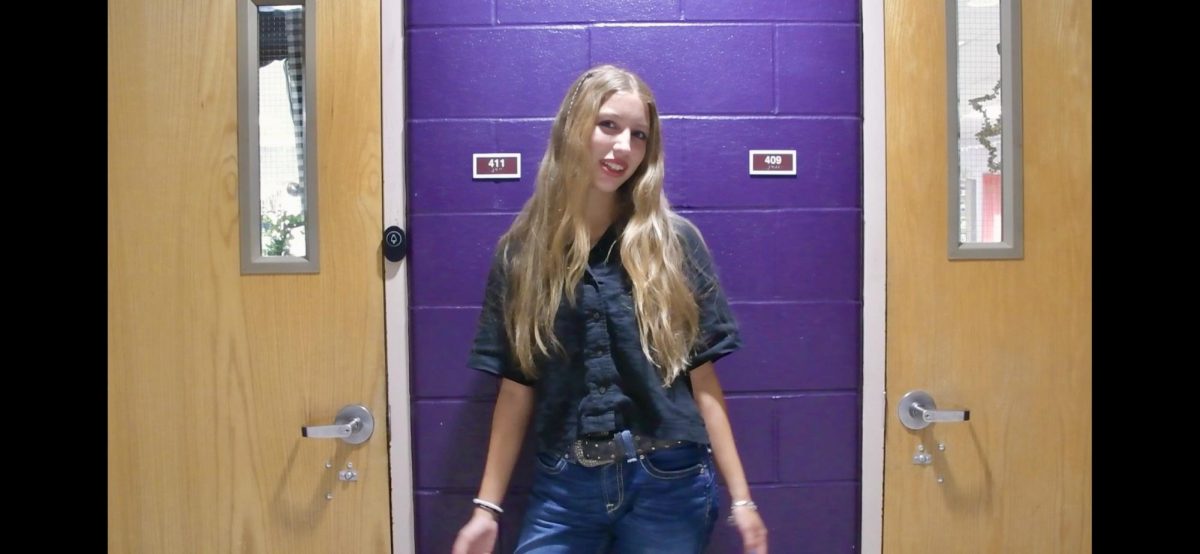
As Texas schools adapt to the phone ban, a growing number of students are rediscovering the value of traditional media through student-made posters.
What was once viewed as decorations or advertisements has become an essential tool for communication amid new district-wide restrictions regarding technology use on campus.
Many campuses across Texas now use student-made posters to share information.
Student-led organizations have started to think visually and express messages that resonate with their peers to grasp their attention.
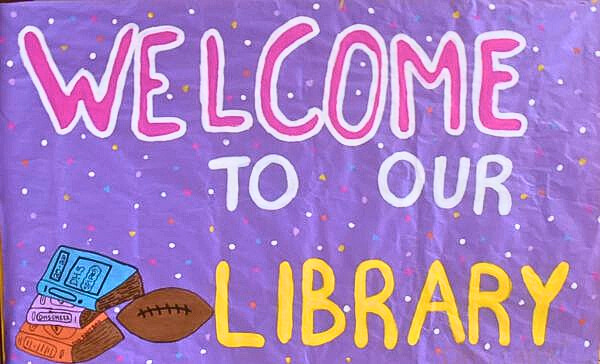
For many, the posters are more than an easy way to stay updated; they’re cheerful additions that provide a positive change to the school’s environment.
Students often pause during passing periods to read new additions, share jokes, or compliment a friend’s artwork. In a school day packed with routines, the posters offer small moments of color and creativity.
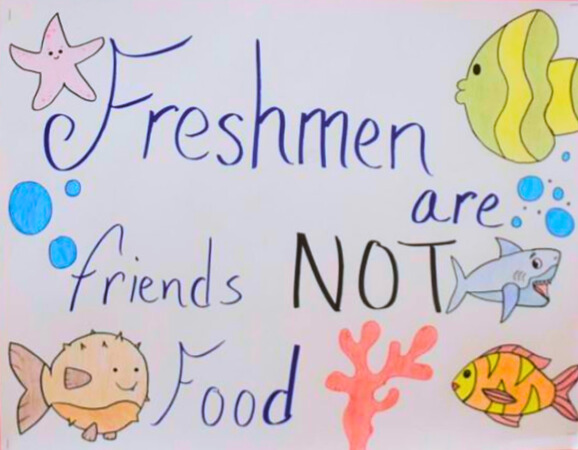
Many school counselors say that visibility, specifically peer-created work, offer small but meaningful boosts of positivity during students’ daily routine. They add that posters help students feel represented, grounded, and connected to their school community.
Across Texas, districts emphasize the importance of visibility in the classroom. Social media announcements no longer reach students during the instructional school day. Clubs that once relied on Instagram stories or group chats now depend on physical displays to spread the word.
With regulations in place, students return to tradition. Posters are now one of the most reliable ways to efficiently share information across campus.
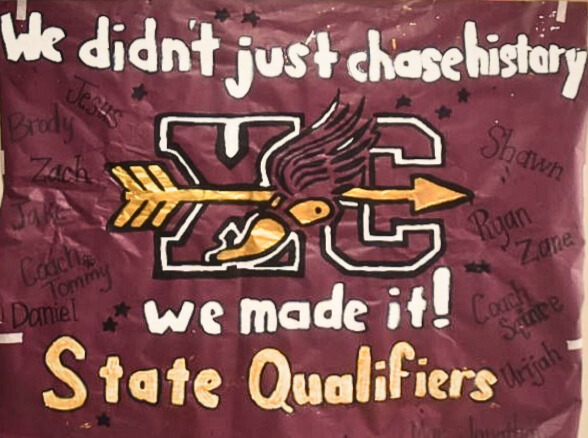
Many of the colorful posters connect to students more than digital announcements ever did, offering a sense of authenticity and personality that online posts sometimes lack.
Journalism students have adapted to the changes firsthand. Student journalists who once relied on devices and digital platforms are embracing traditional forms of media such as handmade posters, bulletin-board features, and hallway advertisements to continue to reach students. For many, it’s a return to the roots of reporting — meeting readers where they are.
The shift to traditional media has encouraged journalism students to think more strategically about layout, design, and headline writing. Many instructors say the transition reflects a broader statewide move toward traditional reporting as technology access continues to be regulated.
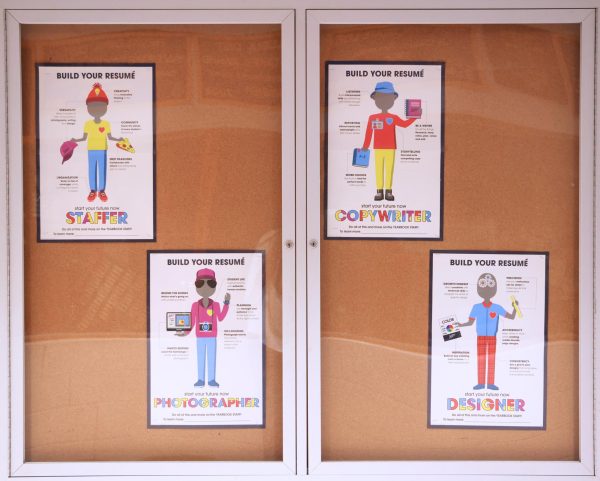
From the science hallway, to the stairwell, to the journalism classroom, posters are becoming an essential tool for communication. They serve as both information hubs and creative outlets, blending practicality and student expression.
The new emphasis on student-made posters combines creativity, community, and traditional reporting during a time when students are adjusting to changes regarding digital media.
For many students, that is exactly what makes these posters worth taking a moment to stop and read. In a world where so much communication happens behind screens, the posters remind students that connection can still be handmade.